(If you prefer to listen instead of read, I recorded this on my substack here)
The first poetry I fell in love with was in a book of fairy tales. Tucked inside stories of princesses and mermaids and wolves were a few pages of children’s poems. William Shakespeare’s poem “If You See a Fairy Ring” was my favorite, and I wove many a daydream to it. My public high school was just fine and I had a great experience, but poetry was not something I remember learning much about. My mom gave me a book of Shel Silverstein poems and I especially loved one about a pet snowball. In early college, I found the poetry of Elizabeth Barrett Browning and her lyrical words on being in love opened up a sweet wistfulness for the kind of devotion she wrote about. College also gave me my first real heartbreak and deep, clinical depression. “The Rainy Day” by Henry Wadsworth Longfellow and “Don’t Quit” by John Greenleaf Whittier put to words what I felt. I felt less alone. In a particular bohemian phase of my early twenties, I dove deep into the work of Hafiz, the poet for poets. His poetry is all largely translated to English, which makes it all the more interesting to me. Could poetry transcend the laws of English grammar? It seems so. He described a poet as someone who, “pours light into a spoon.” and isn’t that just so lovely? I spent good time wondering why poetry affected me so. What was the meaning of life and which poet figured it out? As I moved into real adulthood and adult jobs, the pursuit of poetry faded into the consumption of top forty radio and folk-pop music. My life became busier. I was night-shift nurse who came home to a miniature schnauzer, frozen pizza, dating apps, and bad reality television. I processed the death of patients on a red couch while watching the Alaskan Bush People. Stuff it all away, don’t let it break you. I moved through my life in a holding pattern, desperately wanting a family. There is a lot more to the story here, but this is not the post for that. Life tipped and turned and changed. You might think that falling deeply in love with my now-husband would have inspired poetry, but to be honest, that experience felt far less like a heart roller coaster and much more like sinking into the most comfortable couch you’ve ever experienced. Safe. We belonged together and it was a simple as that: no feelings to sort through. I’ve heard it put many times as “when you know you know,” and that was the truth for us as well.
My love for poetry stirred when I became a mother. I wanted simple, succint words to put to how much I loved these tiny humans. I googled “poetry for moms” one day and found the work of Maya Angelou via her poem Mother, a Cradle to Hold Me. For the first time in a long time, I wrote some of my own poetry again. Poems about deep love, about being a mother to girls, about miscarriage and grief, about mothering during Covid, and all the things that motherhood awoke in me.
Now, I share poetry with my daughters. As a homeschool mom, it feels like the responsible thing to do, but as an artist, it feels like the most natural thing in the world. We have read through a lovely anthology of poems called “A Song for All Seasons”, and they have laughed out loud to the silly poetry in “My Head Has a Bellyache.” We read the Psalms, Proverbs, and Lamentations. I tell them that poetry helps distill regular moments into something meaningful. In a few words, poetry can express entire conversations or a depth of feelings. I recently pre-read a book for my 3rd grade daughter, Looking for Langston by Lisa Cline Ransome. A post WW2 boy moves from the segregated South to Chicago and falls in love with the words of Langston Hughes. He feels less alone, seen. It’s a great book, using the art of narrative writing to point to the power of poetry. I can’t wait for my girl to read it so we can talk about it.
In my thirties, I can see now that mastery of language so clearly points right back to the master of creation, but for years and years it felt like a mystery to me. As an artist myself, I can attest to the obscure and sometimes unpredictable nature of muse, but as a Christian, I have another name for it. Inspiration. Surely as God filled Bezalel with the Spirit to create art, the divine can endow a poet.
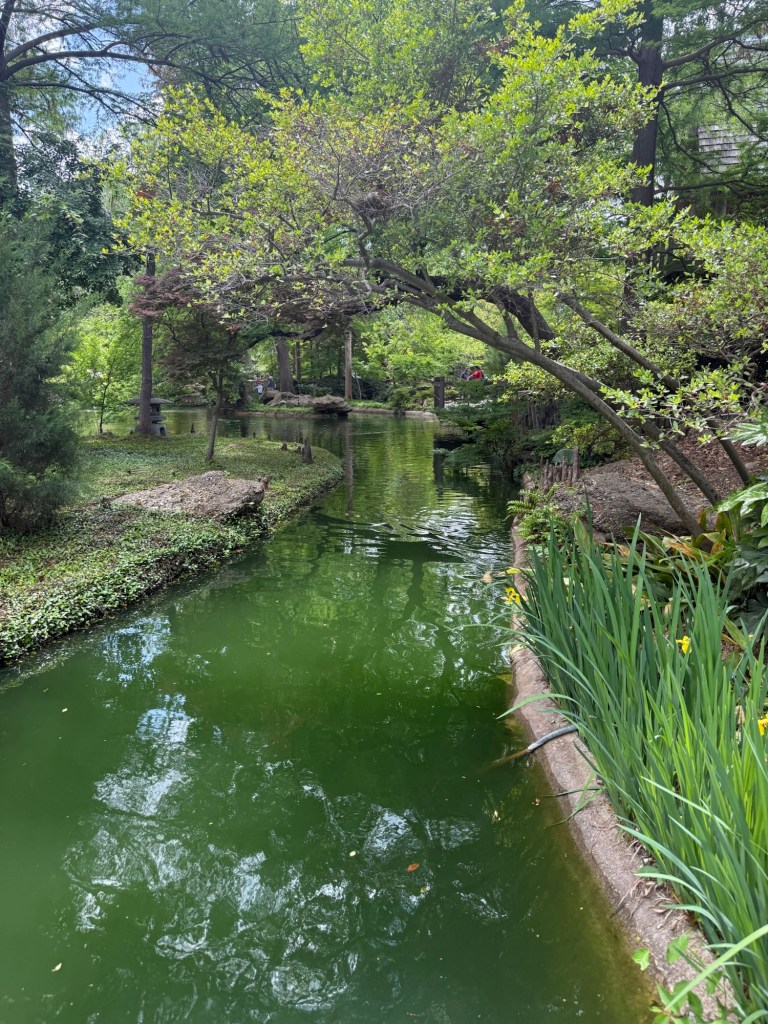
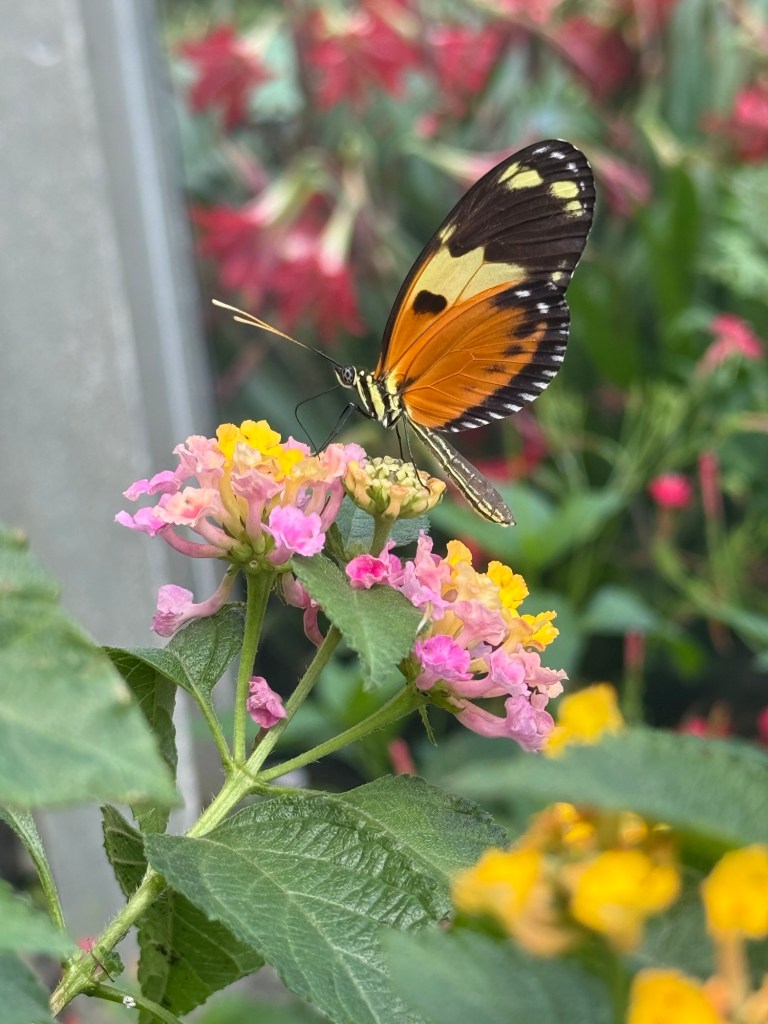
Last weekend my family and I visited the Fort Worth Botanical Gardens. If you have the chance to go, take it. The Japanese gardens there are breathtaking. Along the path, winding through Koi ponds and Acers, the smooth, flat stone would occasionally break into bumpy, river-worn patches. This is intentional. The creator of the garden purposefully wants that spot to be taken in slowly and thoughtfully. The alternative is to trip and miss the view. That’s what poetry is to me: an invitation to take in life slowly and thoughtfully. In His kindness, the creator doesn’t want us to miss it.


Leave a Reply